
Boone County Sex Offender Checks
The official public channel is the West Virginia Sex Offender Registry. The West Virginia State Police manage it under Chapter 15, Article 12. A Boone search can begin with a name or a geographic control such as county, city, ZIP code, street, or radius. Results can then be narrowed by the facts shown in an individual profile.
Boone County does not publish a separate county registry that replaces the state system. Boone registration is handled through the State Police detachment that covers the residence. The WVSP portal is the public search layer for Boone, while the detachment gives appointment instructions and receives required registration updates. Those roles should not be confused.
Boone Search Disclaimer Comes First
The WVSP registry serving Boone requires the user to accept a disclaimer before searching. WVSP says it works to keep information complete and accurate, but it does not guarantee that each item has finished verification. A Boone result may be in the midst of an update or may reflect a change not yet reported. The site also does not publish a person-specific prediction of reoffense risk there.
Read Boone status and last-update fields in that context. A stale-looking Boone address is a reason to report the concern, not proof of a new violation. The safest approach is to note the public profile, avoid contact, and use the official tip or correction channel. The WVSP data shown for Boone are updated daily, but an agency still needs time to verify a submitted change.
West Virginia Sex Offender Registry Searches
The WVSP portal's Boone search offers Basic, Advanced, Internet, Neighborhood, Links, and Submit a Tip tabs. Basic Search By choices include Last Name, Street Name, City, and County. Advanced limits can show only wanted offenders, only people designated as sexually violent predators, or no special limit. For a registry search filtered to Boone County, select the county or use a local address and distance.
- Open the WVSP registry for Boone and read the conditions of use.
- Accept the disclaimer, then choose a name or geographic search mode.
- Enter the known facts, select Boone when using the county control, and run the search.
- Open the matching Boone profile and review identity, address, offense, compliance, and update details without republishing sensitive data.
The Boone search controls support several paths. Exact spelling helps with a name search. A Boone address radius can be more useful for neighborhood awareness when no person is known.
| Field Label | Type | Required | Notes |
|---|---|---|---|
| Last Name | Text | Name search | Use the current or known legal spelling. |
| First Name | Text | Optional | Narrows a Boone surname result. |
| County | Dropdown | Geographic search | Select Boone. |
| City / ZIP | Text or dropdown | Optional | Use the Boone municipality or community spelling and a five-digit ZIP. |
| Street / Address | Text | Address mode | Supports a Boone proximity search when offered. |
| Radius | Dropdown | Address mode | Choose 1, 3, 5, 10, 15, or 25 miles. |
Note: Accepting the disclaimer is a required gateway, and the live Boone controls should be read before each new search.
Boone Searches Across State Lines
A Boone-only search can miss a person who moved or has registration information in another state, territory, tribal jurisdiction, or the District of Columbia. The U.S. Department of Justice National Sex Offender Public Website, or NSOPW, sends a Boone query across participating public registries. It is the right second layer when the location is uncertain or a search crosses Boone County or the West Virginia state line.
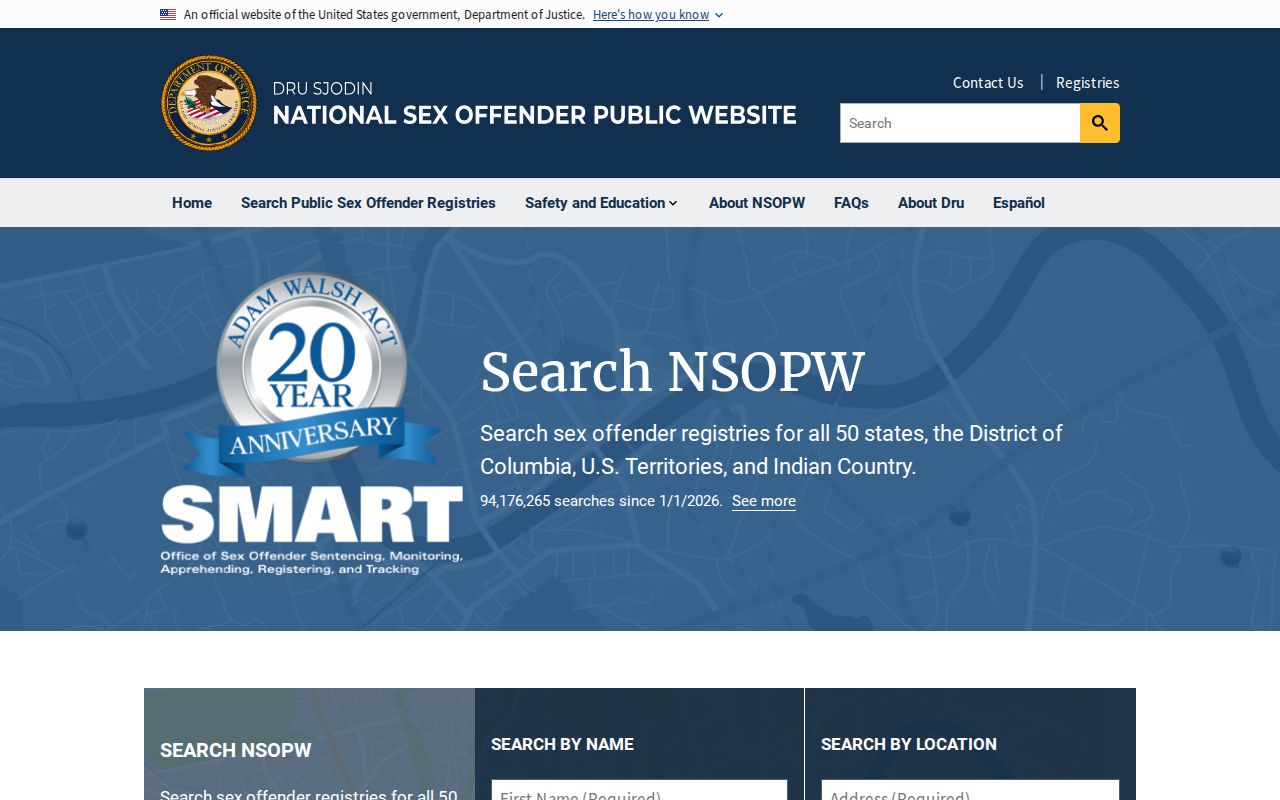
NSOPW connects a Boone query with public jurisdiction data, while the originating registry remains the source to consult for the most detailed profile and correction process.
A federal custody locator answers a different question. The Federal Bureau of Prisons Inmate Locator can show federal custody history for someone linked to Boone, but it is not a sex offender registry and does not establish a current duty to register in Boone.
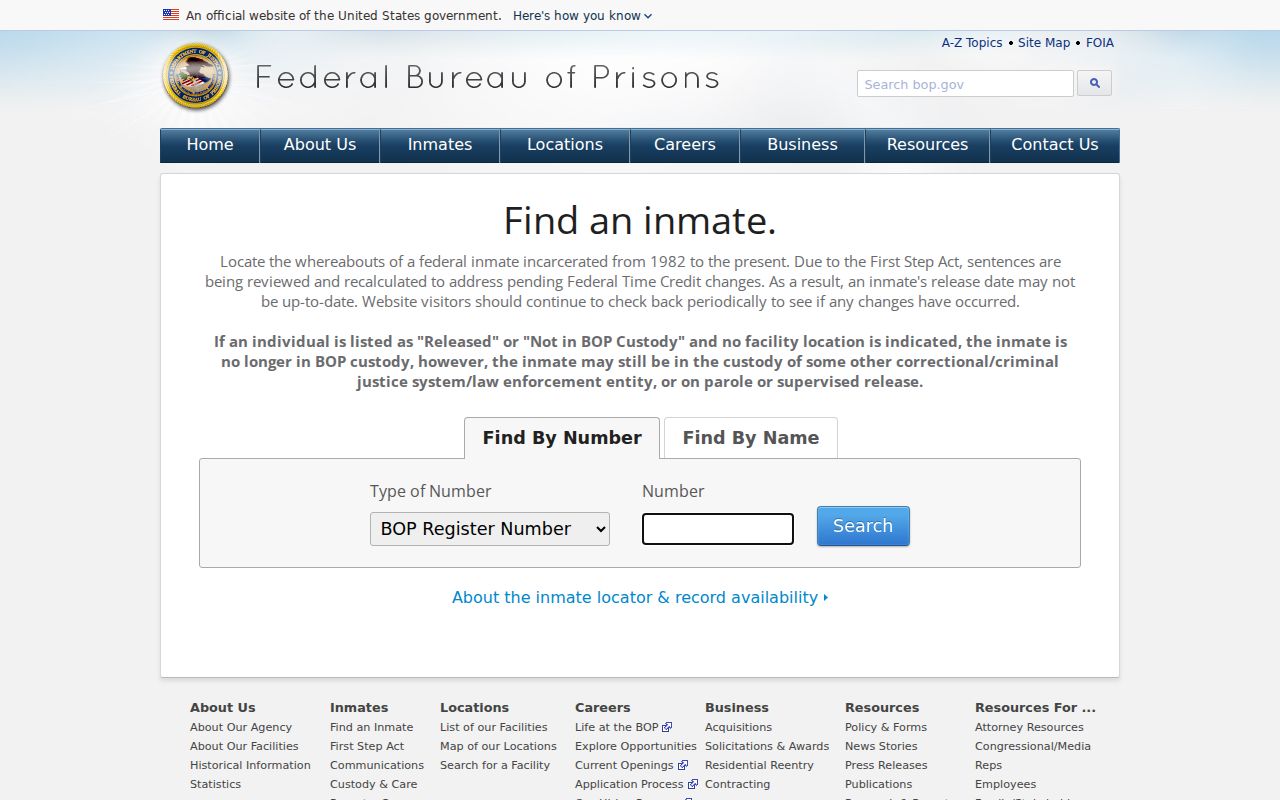
Keeping federal custody data and WVSP registry results for Boone separate prevents a prison result from being treated as a current Boone County search profile.
Registry Profiles: What They Show
A profile in Boone search results can combine identifying traits with the registration facts that West Virginia law authorizes for release. The exact set in a Boone result varies by record. Compare the name on the Boone profile, aliases, physical description, photograph, and date-of-birth or age information before assuming a match. Then read the Boone address, offense, and compliance fields as distinct facts.
| Name & Aliases | Current name and other reported names that can help distinguish similar Boone results. |
|---|---|
| Photo & Physical Description | Photograph, sex and race descriptors, height, weight, hair and eye color, and scars, marks, or tattoos when displayed for a Boone match. |
| Registered Address | Boone residence information authorized for public release; employer, school, or vehicle details may also appear when allowed. |
| Offense & Statute | Qualifying offense, statutory citation, jurisdiction, conviction date, and victim category when a Boone result may lawfully disclose it. |
| Legal Category | Boone results use a West Virginia statutory registration category or designation, not a generic website risk score. |
| Registration Status | Compliance or wanted information and the latest verification or update shown in the Boone search. |
A Boone profile can support personal and family safety planning, yet it does not tell the full case story. The Boone court file is the source for pleadings, exact disposition language, and sentencing orders. The WVSP registry publishes the information selected for a Boone search by the registration statute.
Wrong Address in Boone Results
When a Boone County sex offender record appears wrong, do not visit the address or question the person listed. Save the public URL and note the field that seems inconsistent. Then contact WVSP at 304-746-2133 or email registry@wvsp.gov for a Boone correction. The Submit a Tip form is another channel and asks for an email address, subject, description of up to 2,000 characters, and CAPTCHA.
Registration itself is handled through the detachment covering the Boone residence. The Madison Detachment is at 347 Kenmore Drive, Suite 2A, Danville, and can be reached at 304-369-7800. The Whitesville Detachment is at 11823 Coal River Road, Whitesville, with phone 304-854-0101. Call first for appointment instructions.
Safe reporting: Share the Boone profile and observed issue with law enforcement. Do not investigate, follow, confront, or publish claims about the person.
Registration Levels and Duties in West Virginia
West Virginia uses offense-based statutory categories and designated statuses for Boone registrants. Its public registry should not be rewritten as a simple federal Tier I, II, and III risk scale. For a Boone result, registration length and verification duties depend on the qualifying offense, repeat or aggravated circumstances, and current law. Certain Boone registrants have a defined term. Others have lifetime duties.
| Legal Category | Duration | How to Read the Duty |
|---|---|---|
| Qualifying non-lifetime registration | Defined statutory term | Use current law for the exact ten-year calculation and reporting cadence. |
| Lifetime-registration category | Lifetime | Includes statutory aggravated, repeat, and other listed circumstances; verify current reporting rules. |
| Sexually violent predator designation | Lifetime under applicable law | A court and statute control the designation; it is not a website prediction score. |
The West Virginia Sex Offender Registration Act is the primary source for qualifying offenses tied to Boone registrations, release of public information, duration, and reporting duties.
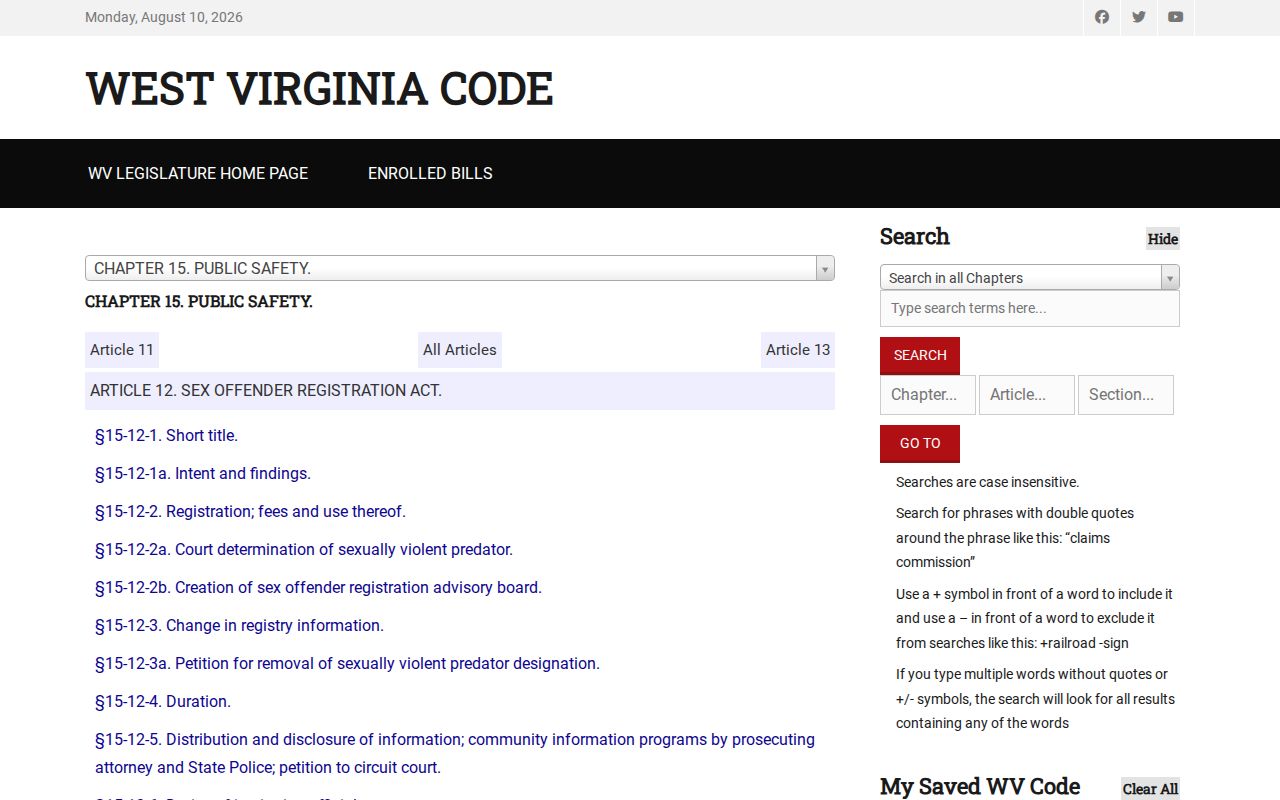
The live statute should control any decision about a term shown in Boone results because those details depend on the record and can change by law.
Boone Results Are Not Risk Scores
WVSP does not assign a public, person-specific likelihood of reoffense through the website. A statutory designation in a Boone result is a legal category, not a forecast made by the search portal. Likewise, a Boone result count does not measure crime trends or explain public safety conditions in Boone County.
The FBI Crime Data Explorer is built for reported crime statistics for Boone jurisdictions by year. It does not identify registrants and should never be used to fill gaps in an individual Boone search profile.
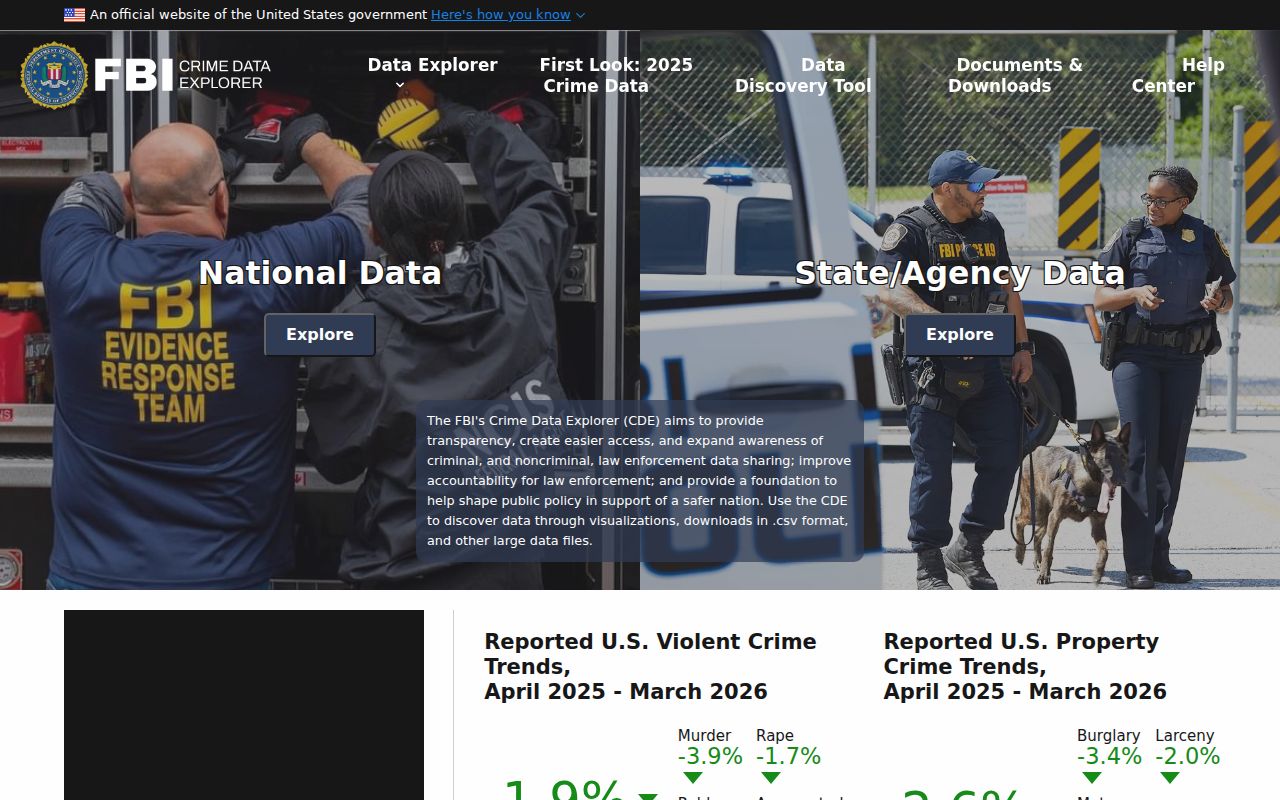
Using each official system for its stated purpose keeps aggregate Boone crime data separate from individual registration information.
Using Registry Information Lawfully
Registry information shown for Boone supports awareness and practical safety plans. It can help a Boone family understand the public records tied to an area, identify the correct office for a concern, and monitor official updates. It does not authorize threats, intimidation, harassment, vigilantism, or confrontation. Report Boone concerns to law enforcement and let trained staff verify the facts.
Registry misuse is unlawful: Do not threaten, intimidate, or harass a registrant or anyone in the household. Misuse of Boone search results can be investigated and punished under West Virginia law; the West Virginia Sex Offender Registration Act governs public registry information.
Profiles can be incomplete or in mid-verification. Confirm the update date, compare the right identity, and route possible errors to WVSP. Never turn a registry match into a public accusation about conduct not shown in the official record.
Note: A report to law enforcement is safer and more useful than personal contact with a registrant or household member.
Boone Search and Local Registration
The WVSP portal, the Madison and Whitesville detachments, and NSOPW form a clear chain. Use the portal for a public West Virginia search. Call the proper detachment for local registration appointment instructions or a Boone concern. Use NSOPW when the search crosses jurisdictions. Send a correction or tip through WVSP instead of trying to resolve it in person.
This separation protects both accuracy and safety. The public search displays what the law authorizes. Local officers verify registration facts. The national service finds participating registry sources outside West Virginia. No one layer should be treated as a complete court file, custody history, or prediction of future conduct.
A Boone County address can fall within a detachment's coverage even when the mailing label names a small town or unincorporated community. Search the county as well as the city when a narrow place-name query produces no result. If a profile lists a qualifying offense but not the court detail needed to understand it, use the named conviction jurisdiction to locate the source case. The registry entry and court judgment serve different roles. One publishes the registration facts allowed by law; the other records the charge, plea, disposition, and sentence that led to the duty.